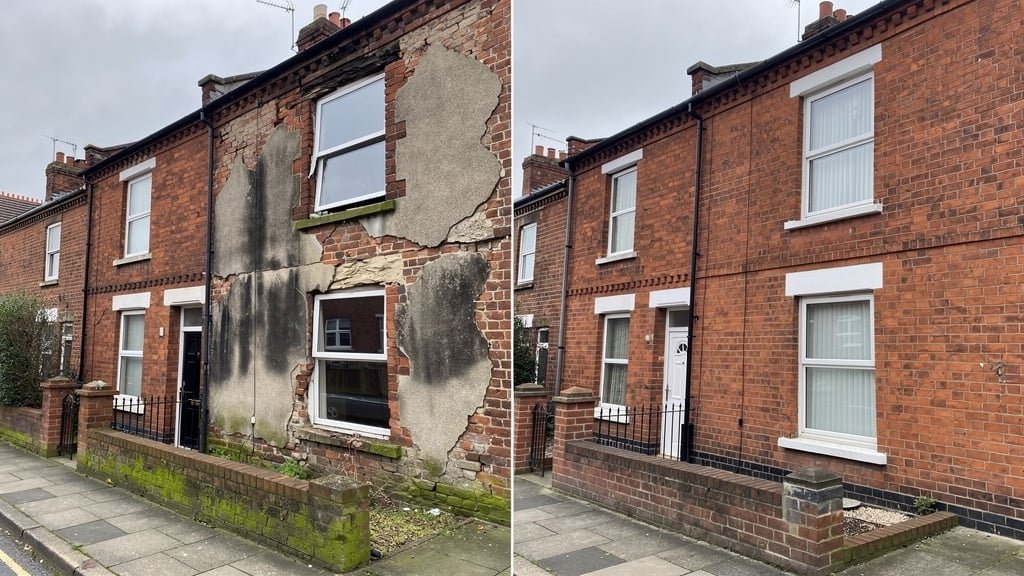
Damp is one of the most common issues we identify in our surveys across Basingstoke and Hampshire. It's also one of the most misunderstood — and one of the most frequently misdiagnosed by the industry. Here's what you actually need to know.
Over the years I've surveyed hundreds of properties across Basingstoke, and damp-related issues appear in a significant proportion of them. The good news is that most damp problems in Hampshire properties are entirely fixable — once you know what you're actually dealing with. The bad news is that undiagnosed damp gets worse, damages building materials, and can affect the health of the people living in the property.
The Three Types of Damp You'll See in Survey Reports
When we flag damp in a survey report, we're referring to one (or sometimes all) of three different problems. Each has different causes and different solutions — and confusing them leads to expensive, ineffective treatment.
1. Rising Damp
Rising damp occurs when groundwater travels up through the pores of masonry (a process called capillary action) because the damp-proof course (DPC) is absent, damaged, or has been bridged. It typically shows as:
- A "tide mark" on internal walls, usually no higher than around 1 metre
- Salting or efflorescence (white crystalline deposits) on the wall surface
- Peeling wallpaper or paint at low level
- Musty smell at ground floor level
True rising damp is actually less common than many damp treatment companies would have you believe. It's often misdiagnosed when the real culprit is penetrating damp or condensation. In our surveys, we always try to identify the actual source before recommending treatment.
Approximate repair cost: Installing a chemical damp-proof course can cost £2,000–£6,000 depending on property size. Replastering affected areas typically costs an additional £1,500–£3,500.
2. Penetrating Damp
This is by far the most common type we find in Hampshire properties. Penetrating damp occurs when water enters the building from outside — through defective roofing, failed window or door seals, cracked masonry, faulty gutters, or deteriorating pointing. Signs include:
- Damp patches on walls that expand during wet weather
- Staining on ceilings following rain
- Damp in upper floors (often indicating roof or gutter defects)
- Damp patches near windows or doors
The good news about penetrating damp is that it's usually fixable at source — often for a relatively modest cost. Once the route of entry is addressed (whether that's repointing, repairing gutters, or fixing the roof), the damp resolves.
Approximate repair cost: Depends on the cause. Gutter repairs: £150–£400. Repointing: £500–£3,000+ depending on the area affected. Roof repairs: £500–£5,000+.
3. Condensation
Condensation is the most common form of damp in UK homes and is often entirely unrelated to the building fabric. It occurs when warm, moisture-laden air meets cold surfaces — particularly external walls, cold bridges, and poorly ventilated areas. Signs include:
- Black mould growth on walls and window reveals
- Streaming windows in the morning
- Musty smell in bedrooms and bathrooms
- Damp in corners and behind furniture
Condensation is closely related to insulation quality, ventilation, and the behaviour of the occupants. In many cases, improving ventilation and heating patterns can resolve it without major works.
Damp in Basingstoke's Housing Stock
Basingstoke has a diverse mix of property types — from Victorian terraces in the town centre to inter-war semis and post-war housing estates to modern new-builds. Each has its own damp profile:
- Victorian and Edwardian properties were often built without damp-proof courses and frequently show rising damp or penetrating damp from deteriorating pointing and gutters.
- 1930s–1960s properties often have original DPCs that have degraded or been bridged by later external render or raised flower beds.
- Modern properties tend to show condensation rather than structural damp, particularly in flats with poor ventilation.
What Happens When We Find Damp During a Survey?
When I find evidence of damp during a building survey, I note the location, extent, and likely cause in the report with photographs. I'll rate the severity and provide guidance on what needs to happen next. In some cases, where the damp is significant or its cause is uncertain, I'll recommend specialist investigation — a damp specialist's report or a drain survey, for example.
Armed with this information, you have real options. You can request that the vendor carries out the remedial work before exchange, you can negotiate a price reduction to cover the cost of repairs, or in rare cases where damp is extensive and treatment is uncertain, you may decide to walk away.
A Word of Warning About Damp Companies
Be cautious about instructing a damp treatment specialist to both diagnose and treat damp — there's an obvious commercial incentive to recommend treatment regardless. Always get an independent assessment from a RICS surveyor first. We have no stake in the treatment — our only interest is in giving you an accurate diagnosis.
Should Damp Stop You Buying a Property?
Not necessarily. Most damp problems are fixable, and at the right price, a property with damp issues can still be an excellent purchase. The key is knowing what you're dealing with before you commit. That's exactly what a RICS Level 3 building survey provides — a clear, honest assessment of the damp situation with cost guidance so you can negotiate accordingly.
If you're concerned about damp in a property you're considering buying in Basingstoke or anywhere in Hampshire, get in touch with us. We're happy to discuss your situation before you book a survey.